Play-based learning is often misunderstood as the absence of academics, as though children are simply left to their own devices. It is the opposite. Structured play is one of the most effective ways young children build the language, thinking, and social skills that formal academics later depend on. The evidence for this is substantial, and it should reassure any parent worried that a play-based school means their child is falling behind.
What play-based learning actually is
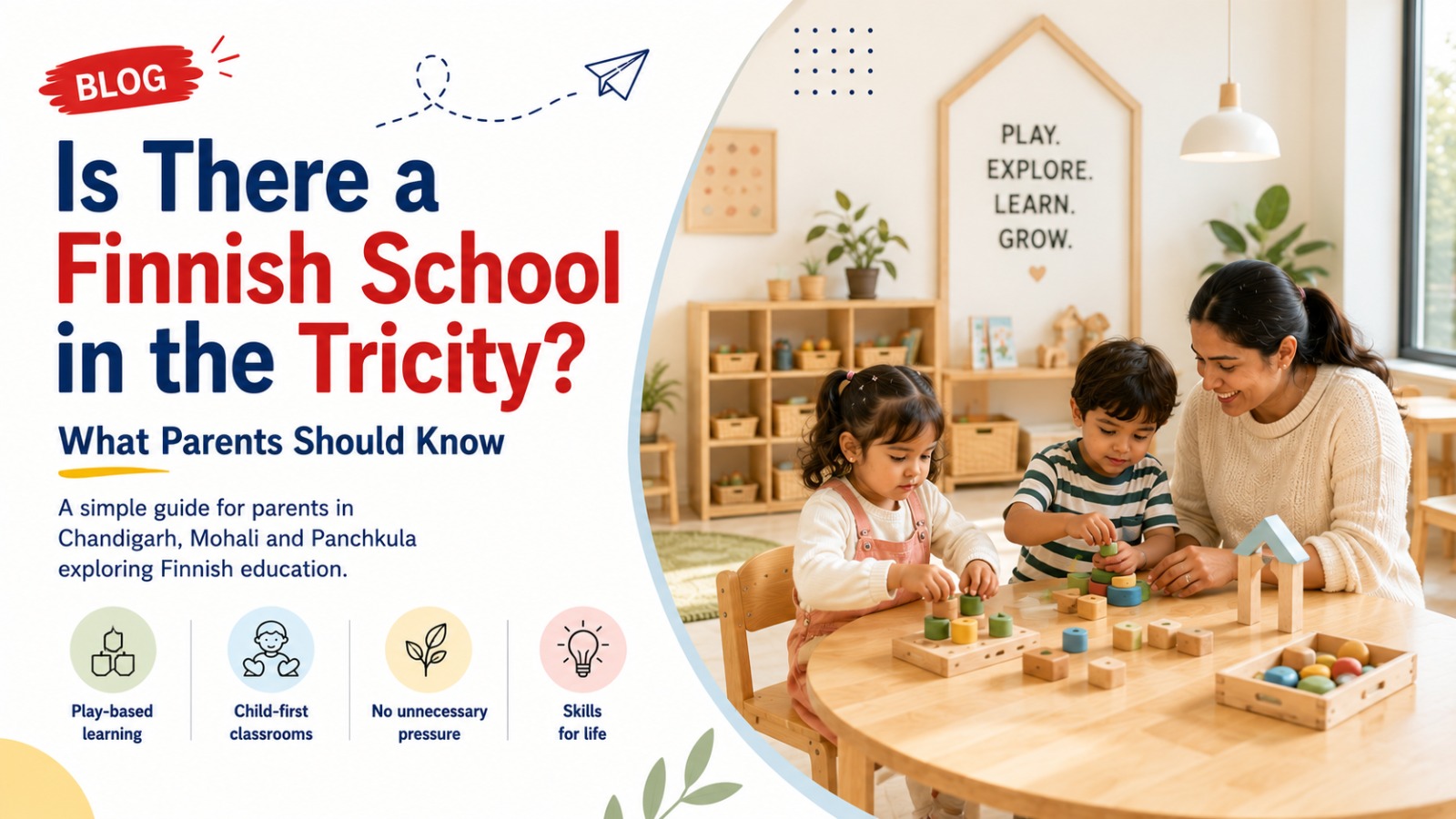
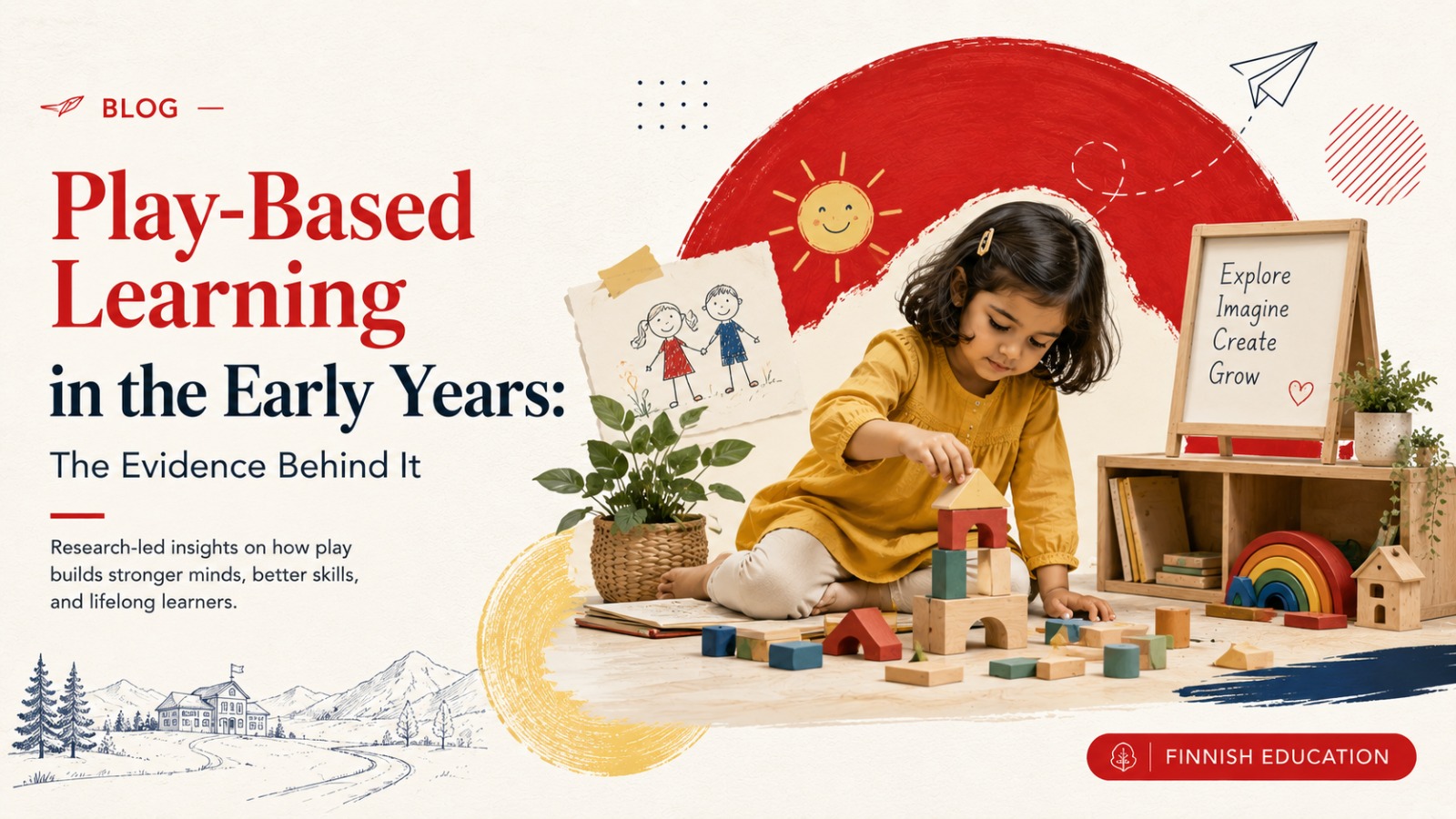
In a well-run play-based classroom, play is designed. A teacher sets up activities that develop specific skills: a shop corner that builds counting and negotiation, a building task that develops spatial reasoning and cooperation, a story session that grows vocabulary and sequencing. The child experiences it as play. The teacher is working towards clear learning goals. This is guided play, and it is very different from unstructured free time, though free play has its own value too.
Why it works
Young children learn through doing and through language, not through sitting still and receiving information. When a child negotiates roles in a pretend game, they are practising the exact reasoning and communication skills that underpin later reading comprehension and problem-solving. Studies of early childhood repeatedly find that children who develop strong oral language and self-regulation through play read and calculate more fluently once formal instruction begins, and crucially, they retain a positive relationship with learning.
The self-regulation dividend
One of the most valuable things play develops is self-regulation, the ability to manage attention, impulses, and emotions. This predicts academic success more reliably than early reading ability does. A child who can concentrate, wait, and recover from frustration will outperform, over time, a child who was pushed into early formal work but never built these foundations.
The cost of starting formal academics too early
There is little evidence that starting formal reading and number work at three or four produces a lasting advantage, and some evidence that it can dampen motivation. Children pushed too hard, too young sometimes learn to associate school with pressure and failure. The early academic lead, where it exists at all, tends to disappear within a few years, while the motivational damage can last.
What to look for in a school
A strong early-years programme is not chaotic. Look for purposeful activities, teachers who can explain what each play station is developing, a calm and well-organised environment, and clear progression as children move up. Play-based should never mean aimless. It should mean deliberately designed learning that a child experiences as joy.
The approach at Dbels
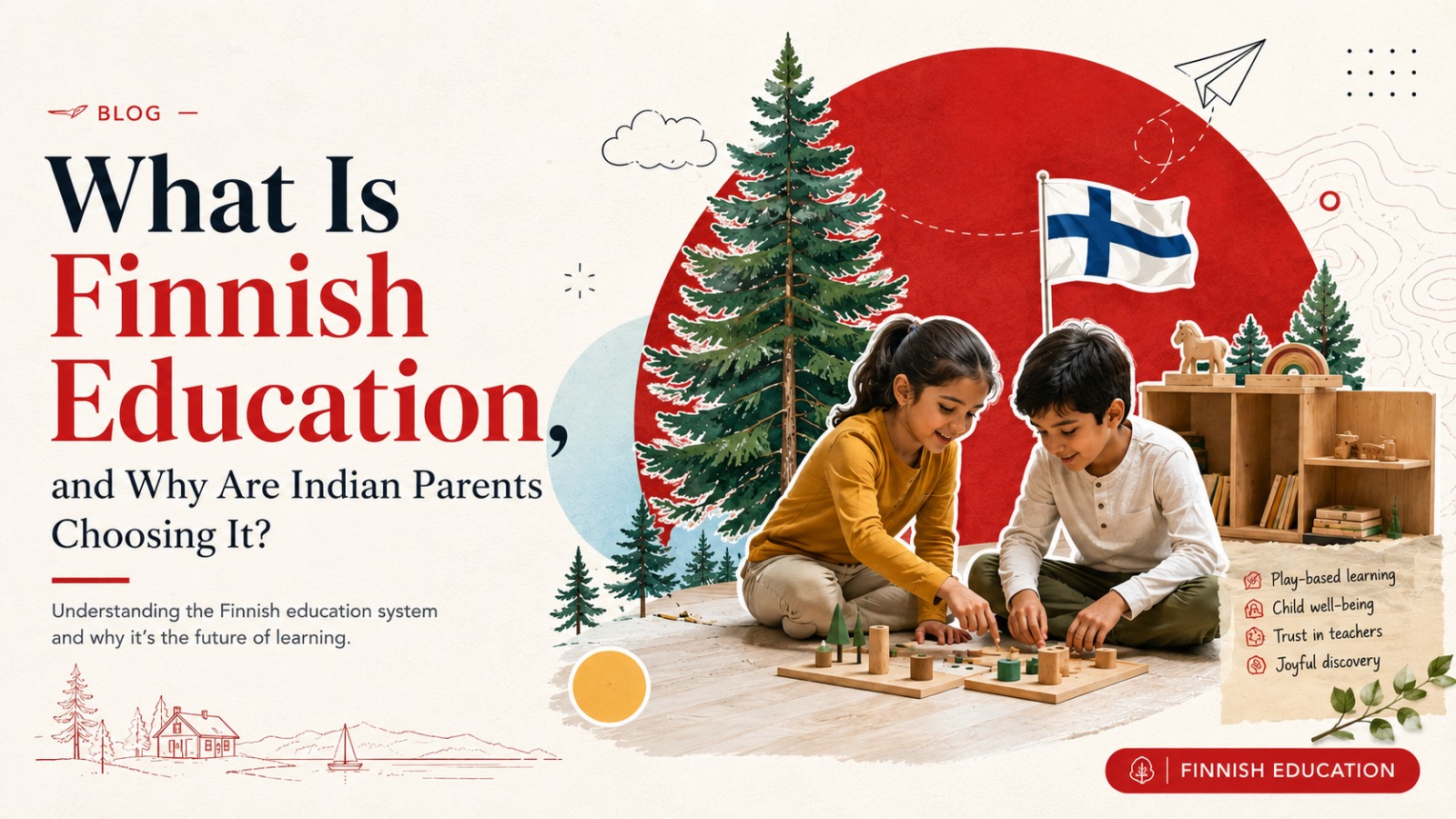
Dass and Brown Experiential Learning School (Dbels) builds its early years on this evidence, drawing on the Finnish model of guided, play-based learning at its Panchkula campus. Children from age two are supported to build the foundations first, so that when formal academics arrive, they are ready and eager. For parents in Chandigarh and the Tricity choosing an early-years school, understanding the evidence behind play is the best defence against the false choice between happy and academic. Done well, early education is both.